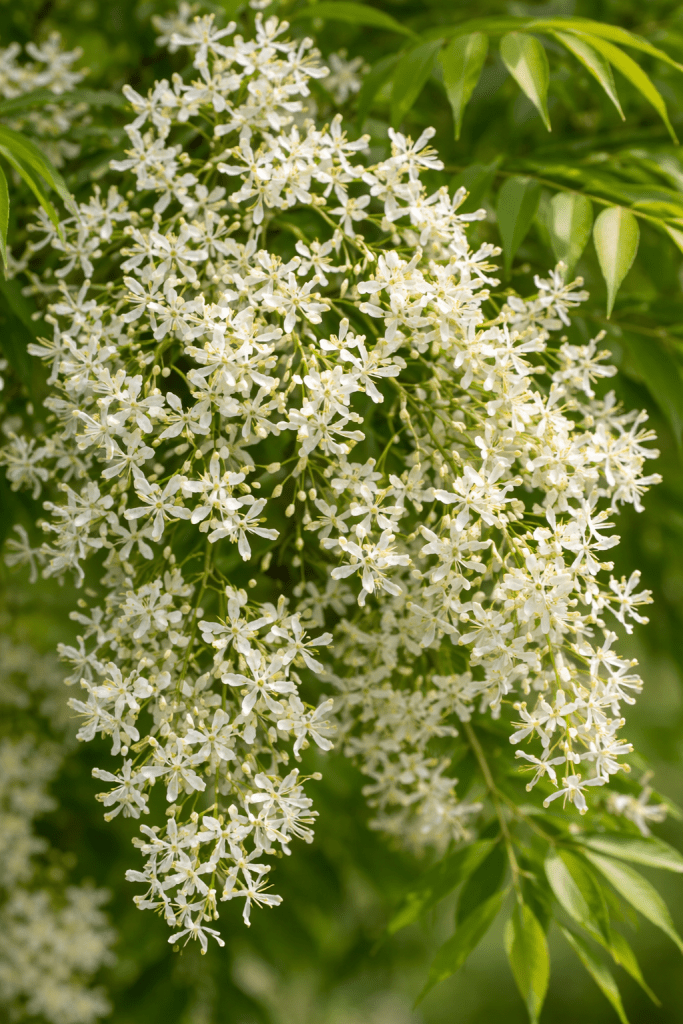
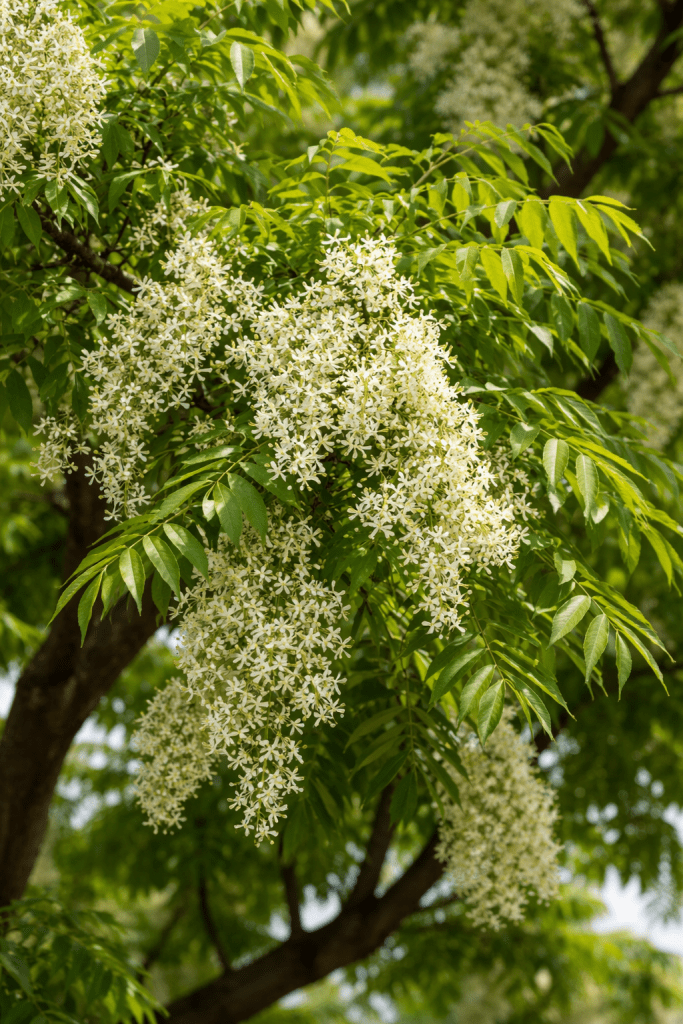
The delicate white blossoms of the Neem tree, known as neem flowers, hold a remarkable place at the intersection of nutrition, medicine, and culture in India. Though tiny and slightly bitter, these flowers are nutritionally potent, containing antioxidants, flavonoids, and trace minerals that support detoxification, improve digestion, and help regulate blood sugar levels, making them especially valued in traditional dietary practices aligned with holistic wellness. In Ayurveda, neem flowers are considered light, cleansing, and balancing for excess heat in the body, often used to stimulate appetite and support liver function. Culinary traditions across regions celebrate their unique taste—particularly during seasonal transitions; for instance, in South India and Bengal, neem flowers are incorporated into dishes marking the new year, symbolizing the acceptance of life’s bittersweet nature, such as in Ugadi pachadi or Bengali neem-begun. During festivals like Ugadi and Gudi Padwa, their inclusion reflects a deeper philosophical ethos: that health and life itself encompass a balance of flavors and experiences. In a whole-food, plant-based context, neem flowers can be dry-roasted and added sparingly to chutneys, rasam, or thogayal without oil, enhancing both flavor complexity and therapeutic value, making them a humble yet profound seasonal ingredient.
Ingredients
1/2 cup washed and dried neem flowers, loosely packed (neem ka phool, vepampoo)
10 red chilies (adjuste according to taste)
1 tbsp tamarind
1-2 dates
Salt to taste
Method
Heat a heavy bottomed pan
Add the neem flowers ans roast on low flame for 10 minutes
Remove to a plate
Add the chillies and roast till they become blackish and crisp
Remove to a plate to cool
To the same pan, add tamarind and roast to soften it
Once all the ingredients are cooled, transfer to a blender
Add dates and salt
Blend to a thick paste, sprinkling very little water, only if necessary
Remove to a serving bowl and serve with dosa, idli…
Or bland dals
Enjoy
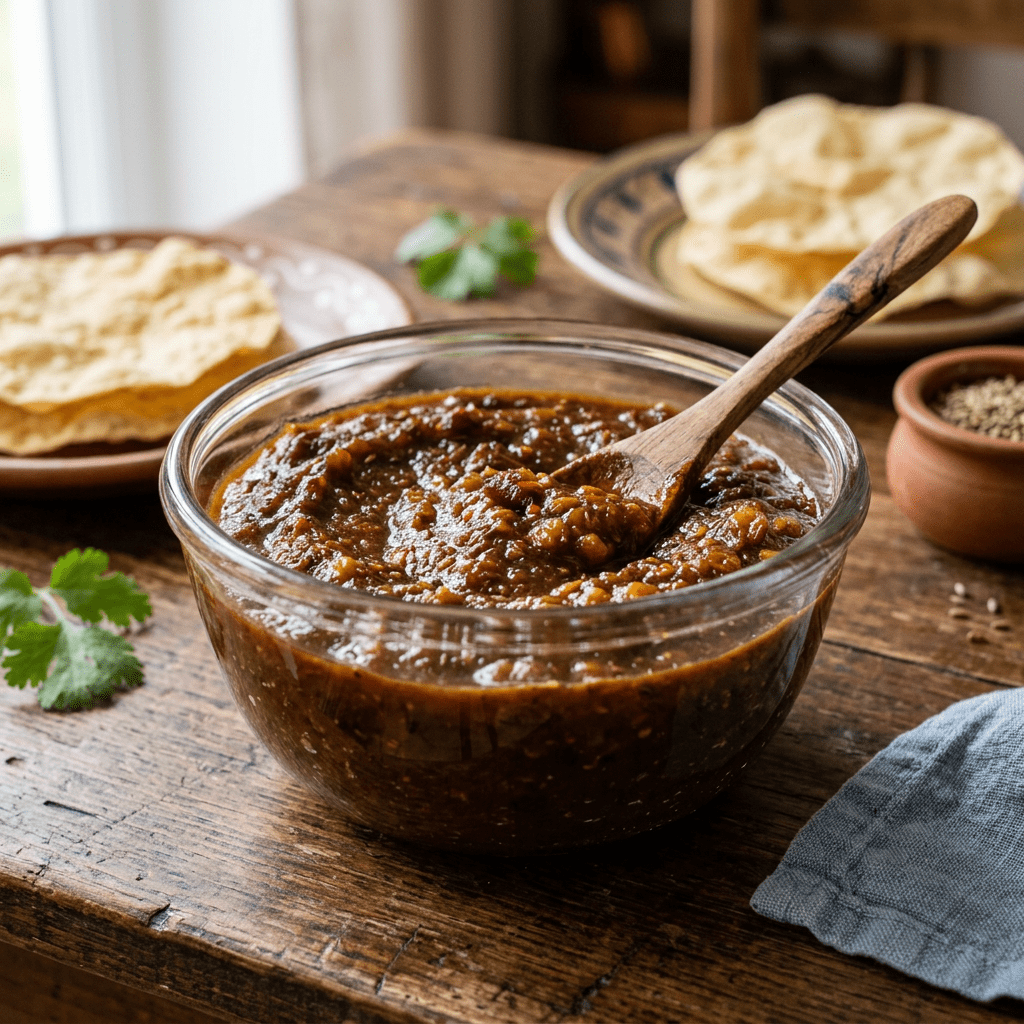
Neem flowers are naturally bitter due to compounds like nimbin, but you can make them pleasantly balanced without losing their health benefits by using a few simple techniques: first, lightly dry-roast the fresh or dried flowers on a low flame until aromatic—this mellows sharp bitterness; soaking them briefly in warm water (5–10 minutes) and draining can further reduce intensity; when cooking, always pair them with sour and sweet elements such as tamarind, raw mango, or a small amount of dates to create balance; adding grated coconut or roasted gram dal gives body and softens the taste; and finally, avoid overusing the flowers—use them as a flavor accent rather than the main ingredient, as this keeps the dish nuanced instead of overpoweringly bitter.

