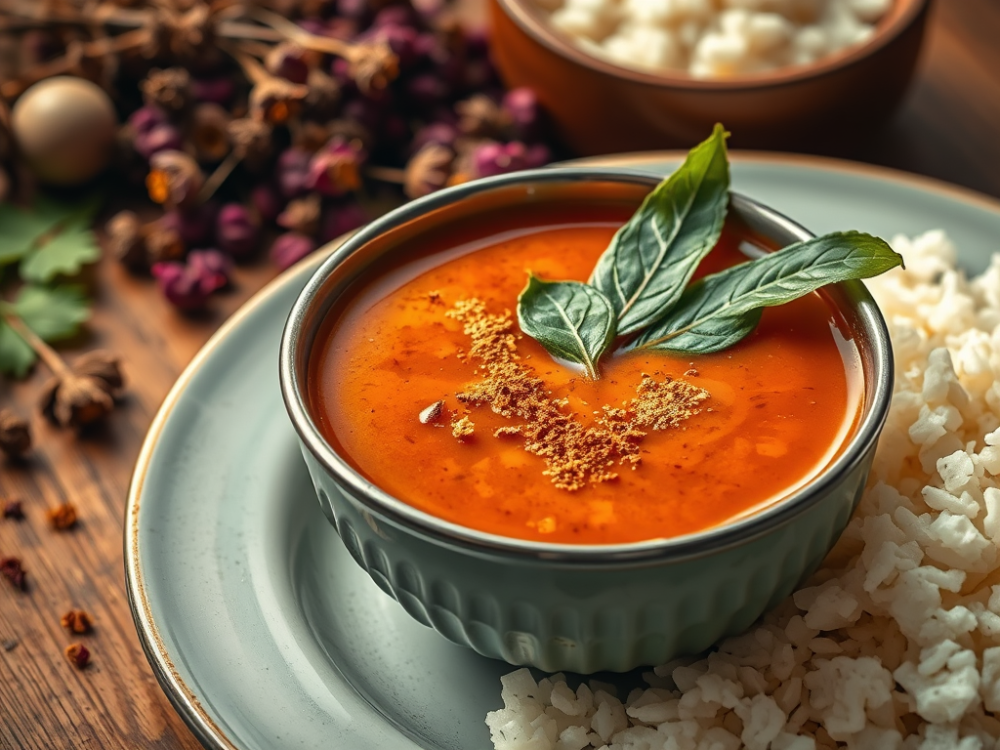
Dried neem flowers are a cherished ingredient in Tamil cuisine, valued for their medicinal benefits and subtle bitterness. Rich in antioxidants and antimicrobial properties, they aid digestion, detoxify the body, and help regulate blood sugar levels. In Tamil households, these flowers are often roasted in ghee and added to dishes like neem flower rasam, a tangy, spiced broth known for its detoxifying properties. The flowers are also used in pachadi (a yogurt-based side dish) and spice powders. Beyond cooking, neem flowers play a role in Tamil traditions, especially during Tamil New Year (Puthandu), symbolizing thevepampoo Rasam balance of life’s bittersweet experiences.
Ingredients
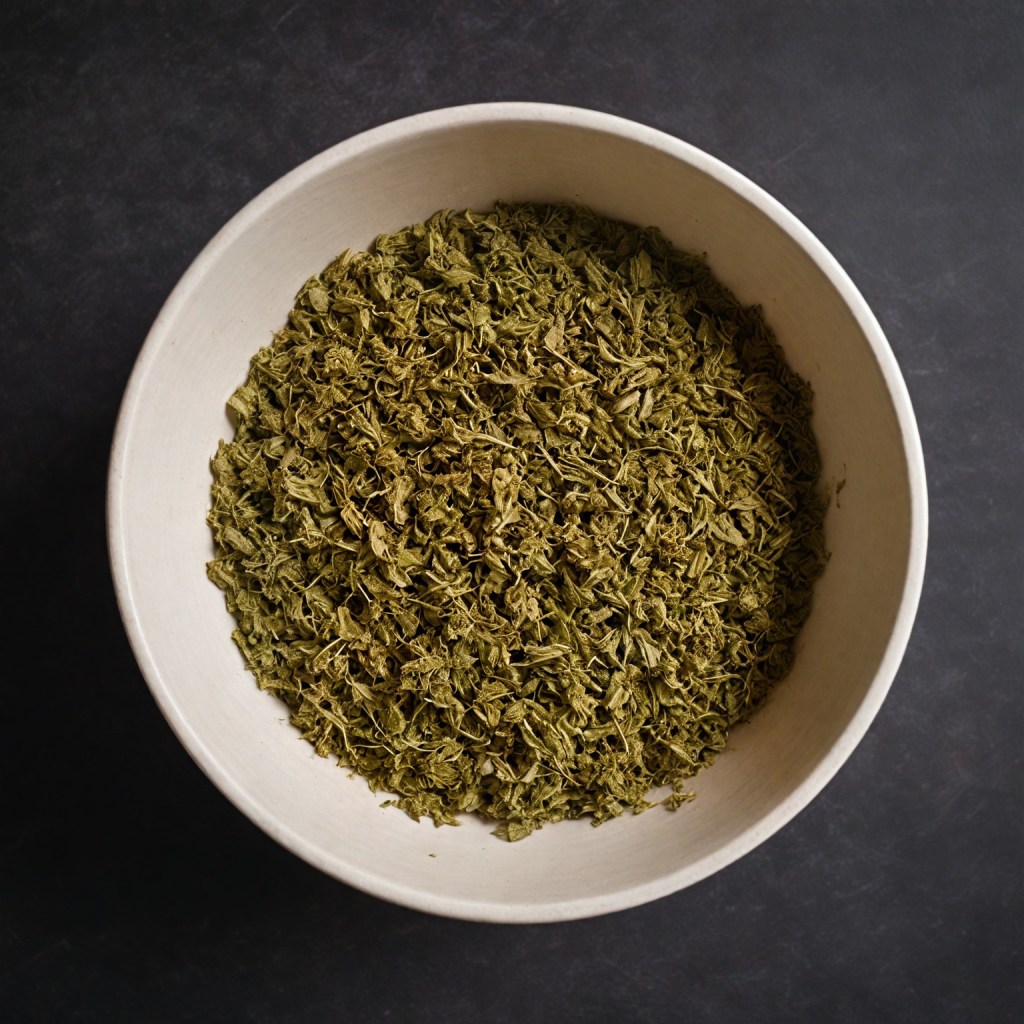
1 tbsp dried neem flowers (sookha neem ke phool, vepampoo)
A gooseberry sized ball of tamarind
Unrefined salt to taste
1/2 tsp date paste
1/8 tsp turmeric powder – optional (haldi, manjal podi)
To Temper
1/2 tsp mustard seeds (sarson, kadugu)
4 dried red chillies
1 tsp split black lentils (urad dal, ulutham parupu)
1 tsp pigeon peas (tur dal, thuvaram parupu)
1 sprig curry leaves
1/8 tsp asafoetida (hing, perunkayam)
Method
Soak the tamarind in hot water for 15 minutes
Extract the juice and set aside
Heat a pan and roast, on medium flame, the neem flowers till they turn aromatic and a deep red
Set aside
Heat another pan and add mustard seeds
When they begin to splutter, add red chillies, black lentils, pigeon peas, curry leaves and asafoetida
Add the tamarind extract, salt, date paste and turmeric powder
Bring to a boil
Remove from heat and add the roasted neem flowers
Mix well
Serve hot with red/brown/millet rice and crisps
Enjoy,
Do not boil after adding neem flowers. The rasam will taste bitter.
 wholefoodplantbased